
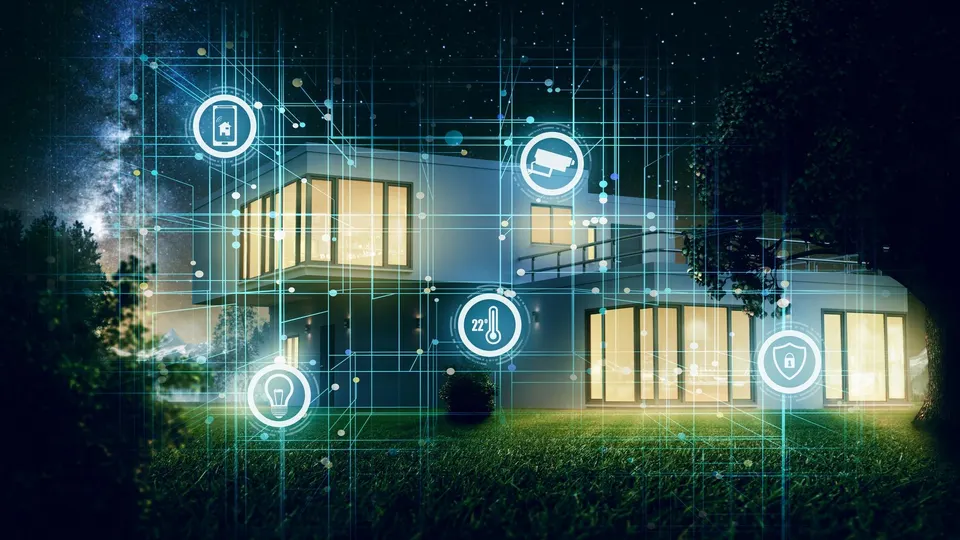
If your smart home still feels more like a smart-ish home, make it your mission to make 2026 the year everything starts running as smoothly as it should.
Between a genuine push by Big Tech to make the smart home less hassle, local control, more intelligent sensors and a flood of new brands doing genuinely interesting things, the modern smart home is no longer just for YAML-nerds moonlighting as IT support workers in their own homes… it’s an intelligent ecosystem that’s super simple to use and can actually think for itself.
It’s easier than ever to take your smart home to the next level, here are some things to put on your list for the new year. In 2026, smart homes will become a standard for modern living. Designed for comfort, energy efficiency, and long-term reliability, today’s smart homes go beyond automation to deliver a more sustainable and seamless lifestyle. What was once considered a luxury is now an essential feature of thoughtfully designed homes.
Whether you’re building a new home, renovating an existing one, or simply planning, understanding smart home trends in 2026 helps you make decisions that feel both advanced and reassuringly future-proof.
A smart home in 2026 is a connected living environment where automation, artificial intelligence, and energy-efficient systems work together to improve comfort, security, and sustainability, with minimal effort from the homeowner.
Smart Home Market Trends 2026
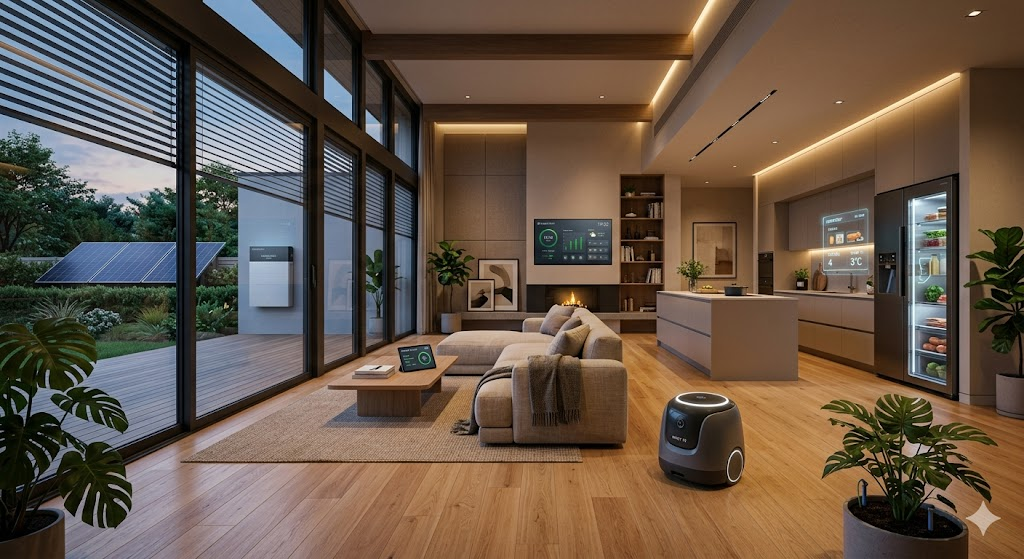
The smart home market surges forward with projections hitting $139 billion globally by 2032, driven by retrofit installations and wireless protocols. Nearly half of US households will adopt smart home devices like thermostats and security cameras by 2026, fueled by millennials investing in energy-efficient upgrades. In the UK, smart home market growth reaches $12.29 billion by 2026, with Asia Pacific close behind as urbanization boosts demand for smart appliances and AI platforms.
Wireless segments lead due to easy setup and AI integration, allowing devices to learn user habits for personalized control. Retrofit solutions dominate, letting homeowners add smart lighting, HVAC controls, and entertainment without major renovations. Matter protocol advances interoperability, uniting ecosystems from Amazon, Google, and Apple for smoother smart home hub experiences.
By 2027, AI agents will autonomously manage energy, predicting usage via grid integration. AR glasses control overlays for immersive smart home interfaces. Biometric locks and health-monitoring air purifiers rise, blending wellness with automation.
Sustainable materials in devices and solar-powered sensors gain traction. 5G expands edge AI for faster smart home responses. Quantum-secure encryption protects premium systems amid rising connectivity.
Ready to upgrade? Explore smart home starters today for effortless automation and savings tailored to your space.
Look Beyond the Big Names
The likes of Philips Hue, Google, Amazon, and Apple still dominate the smart home conversation but plenty of the real innovation is happening elsewhere.
Govee is pumping out affordable lighting with seriously impressive color accuracy that, more often than not, blows its more established, much more expensive, competition out of the water.
Ring, Arlo and Nest were the front runners in the smart security camera and video doorbell markets, but the likes of Eufy and Reolink are aggressively making inroads by focusing on not only brand new features, but avoiding monthly subscription fees too.
On the ecosystem front, Homey is pricey but comprehensive; Home Assistant isn’t just for coders any longer; Aqara continues to drop shockingly good sensors and hubs at a fraction of the big-brand price-points; and SwitchBot has gone from “cute little robot finger brand” to a full-on smart home system that often beats rivals on price and creativity.
Take a look at the likes of Inovelli, Shelly, Meross and Sonoff too. These are brands that can make dumb things in your house smart, without breaking the bank.
What Are Smart Home Devices and Why They Matter
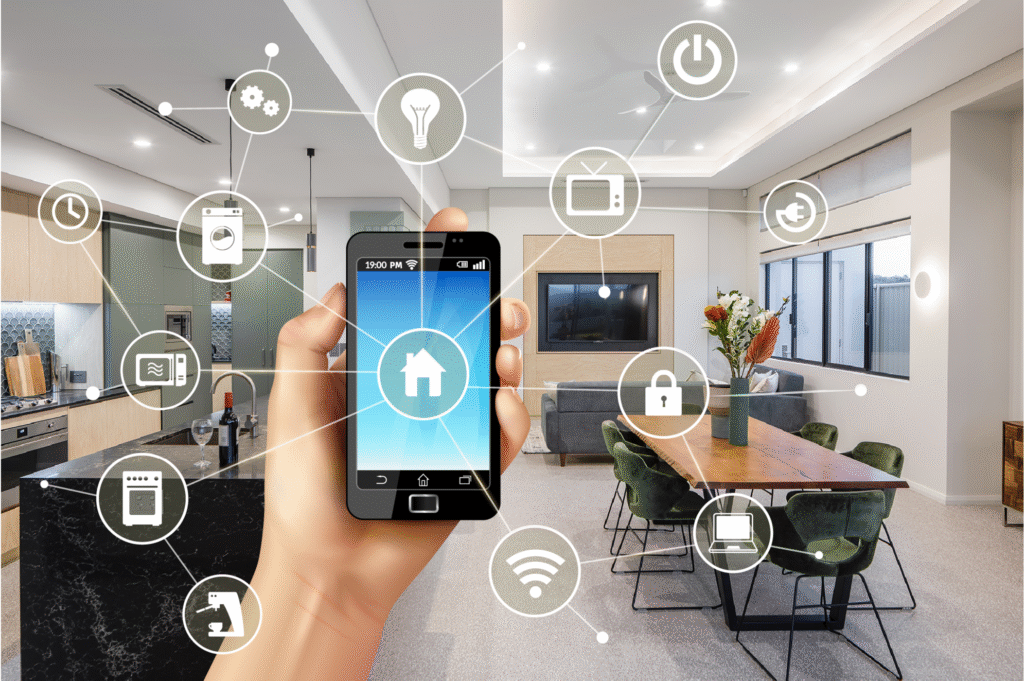
Smart home devices encompass a wide range of internet-connected gadgets designed to automate and enhance various functions within your home. These include smart home assistants, thermostats, security cameras, lighting, locks, and kitchen appliances, all controlled remotely or through voice commands. Their primary role is to improve convenience by allowing you to manage household tasks effortlessly, increase security through real-time monitoring and alerts, and boost energy efficiency by optimizing resource use.
Integration of Internet of Things (IoT) technology has driven the rise of smart home products, transforming ordinary houses into interconnected ecosystems. IoT enables devices to communicate with each other and with centralized control hubs, creating seamless automation. As these solutions become more accessible and affordable, more homeowners are adopting smart technology to personalize their living environments.
Compatibility and ecosystem support are crucial for smart device success. Devices that work harmoniously within platforms such as Amazon Alexa, Google Assistant, or Apple HomeKit offer smoother user experiences and simplify management. Selecting devices that integrate well ensures your smart home is flexible and scalable, enabling effortless upgrades and expansions over time.
What These Smart Home Trends Mean for Homeowners in 2026

For homeowners, the message is reassuring:
- Smart homes are simpler, not more complicated
- Energy efficiency is built-in, not optional
- Security is proactive and reliable
- Systems are designed to last decades, not years
Unlike earlier smart homes that relied heavily on apps and manual commands, the smartest homes of 2026 operate quietly in the background.
They don’t demand attention.
They simply support better living, day after day.
Core Smart Home Technology Explained
Smart home tech relies on IoT connectivity, AI algorithms, and protocols like Zigbee for low-power device links. Hubs process commands via Wi-Fi or Bluetooth, enabling routines like “good night” to lock doors, dim lights, and adjust thermostats. Edge computing reduces latency for real-time responses in smart locks and cameras.
AI enhances predictive automation, learning patterns to preheat homes or optimize smart plugs for appliances. Blockchain secures data in premium systems, preventing hacks on smart home networks. Wireless mesh networks ensure reliable coverage in large homes.
Unlike old PIR motion sensors that trigger once and zone out, mmWave can detect micro-movements, so your lights don’t turn off when you sit still too long, and they can even detect how many people are in the room and where exactly in the room those people are.
That means, once you team them up with your other smart home devices, you’re able to create intuitive actions for climate, lighting, or energy savings, making your home start to feel actually smart.
AI will, of course, play a big part of this too, with more advanced recognition on cameras and the likes of Alexa+ and Gemini For Home making it possible for your home to “learn” what you want.
Rethink your Smart Lighting
Lighting is still the number-one smart home upgrade, but we’re well beyond screwing in a bulb and impressing your pals by changing its color from an app or a voice command.
There’s no reason that all of the lighting in your house shouldn’t be smart… but that doesn’t mean going out and buying dozens of new bulbs.
The most effective, intuitive, and cost-efficient way to make your entire home’s lighting smart is to move the intelligence from the bulb to the switch or the circuit. Sonoff and Shelly are two of the biggest players in this space and have huge ranges of affordable smart relays, switches and more.
This approach not only controls your existing “dumb” bulbs – be they standard LEDs, halogens, or decorative fixtures – but also ensures that the non-nerds in your house can still use the wall switch as normal, without driving you mad.
How to Turn Your Home into a Smart Home
Starting your smart home journey begins with choosing a smart home assistant to serve as the central hub. Popular options include Amazon Alexa, Google Assistant, and Apple Siri, which allow voice control and unified management of compatible devices. Establishing a virtual assistant in your home lays the groundwork for automating everyday tasks and controlling devices through one platform.
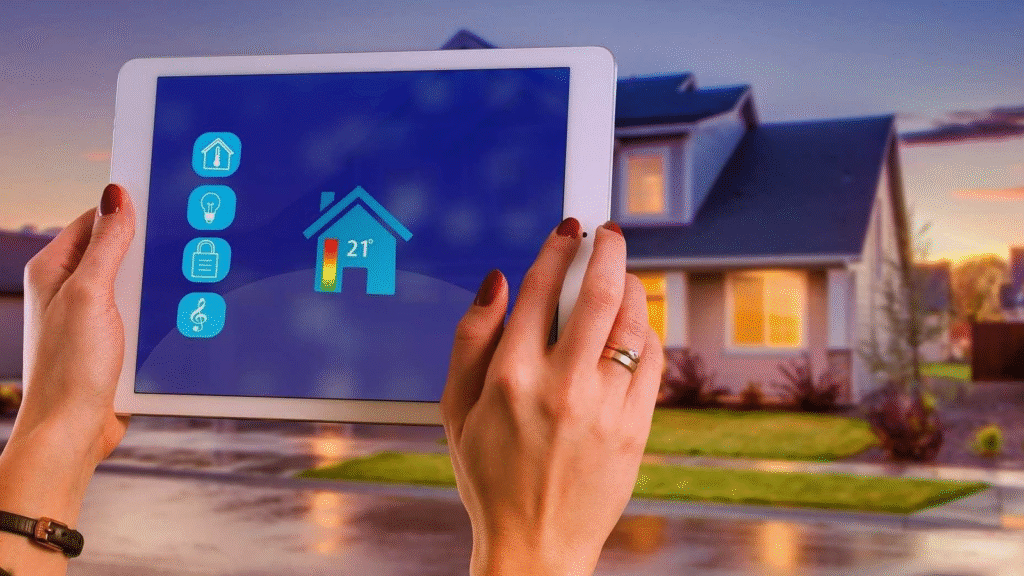
For beginners, easy-to-install gadgets such as smart plugs and bulbs are excellent entry points. Smart plugs let you upgrade ordinary appliances by adding remote control and scheduling capabilities, while smart bulbs offer adjustable lighting with color options and scenes. These improve convenience without complex wiring or setup.
Understanding connectivity options is essential. Wi-Fi is the most common, providing widespread coverage and simple integration. Bluetooth supports direct device-to-device connections with low energy consumption. Zigbee and Z-Wave are low-power mesh network protocols favored for reliability in larger smart home setups, often used in security and lighting systems.
To expand your system, adopt a step-by-step approach: start with essential devices like smart lights and plugs, then add smart thermostats and security cameras. Use app management to create automation routines, such as scheduling lights or adjusting temperature based on occupancy. Gradual integration helps manage complexity and maximizes investment in your smart home infrastructure.
FAQ’S
1. What is smart home technology?
Smart home technology connects devices such as lights, cameras, locks, thermostats, and appliances so they can be controlled automatically or through a smartphone or voice assistant.
2. What are the best smart home devices in 2026?
Popular smart home devices include smart lights, security cameras, video doorbells, smart locks, smart speakers, smart plugs, thermostats, and connected appliances.
3. How can smart home technology make life easier?
Smart devices can automate everyday tasks, provide remote control, improve home security, and help you manage lighting, temperature, and appliances more conveniently.
4. Can smart home technology save energy?
Yes. Smart thermostats, lights, plugs, and energy-monitoring devices can help reduce unnecessary energy use by automating and optimizing daily usage.
5. How can beginners start building a smart home?
Start with a few useful devices, choose a compatible smart home platform, connect them to your home network, and gradually add more devices based on your needs and budget.