
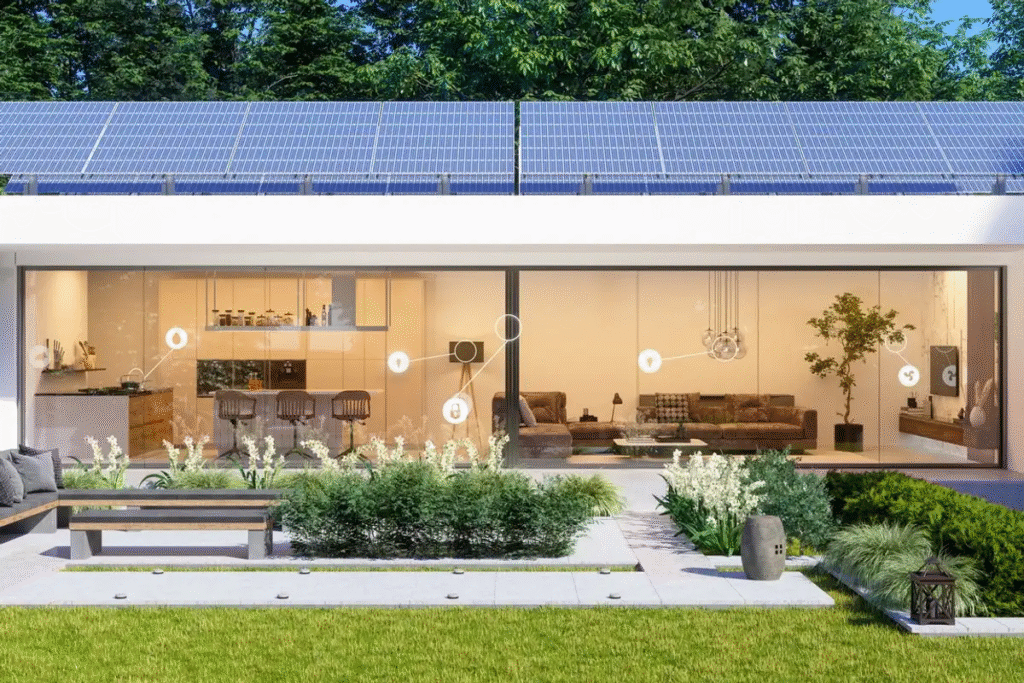
In 2026, smart living is no longer a luxury. It is becoming a normal part of modern Indian homes. Many families want better security, comfort, and control. But they feel confused about how to start. The good news is that upgrading your current house is easier than ever. With the right home automation company, you can convert your existing space into a smart home without breaking walls or changing your full interior.
Technology is now smarter, faster, and more affordable. Devices connect easily. Apps are simple to use. Voice control works better. If you have been thinking about smart lighting, security cameras, or full automation, this is the right year to act.
Transforming your living space into a smart home is more than a tech upgrade—it’s about making everyday living simpler, safer, and more efficient. In the past few years, smart homes in India have finally matured. Devices are more reliable, platforms are interoperable, and standards like Matter ensure your investment doesn’t become obsolete.
What you need before building a smart home
Define your smart home goals

- Security and surveillance
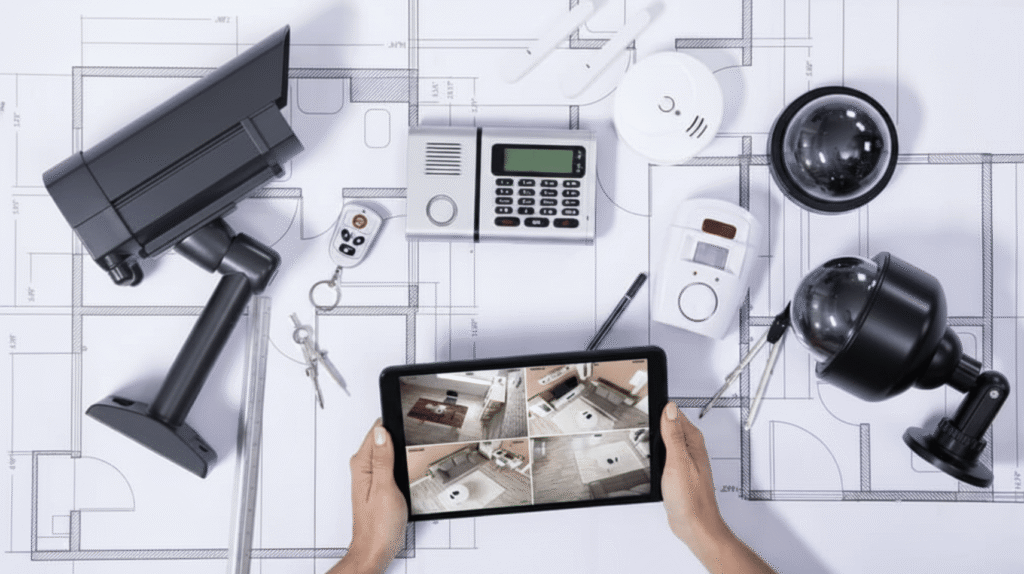
If you’re looking to secure your home, choose smart security cameras, video doorbells, smart locks, motion sensors and alarm systems. Whether you’re at home or away, these devices give you peace of mind, real-time alerts, and remote monitoring.
- Energy savings and sustainability
A lot of homeowners build smart homes to cut down on electricity consumption. Smart thermostats, energy monitoring systems, smart lighting and automated power management help identify unnecessary energy use and reduce monthly utility bills while supporting a more sustainable lifestyle.
- Convenience and automation
Smart homes help automate repetitive tasks and make daily routines easier. You can program lights to come on before sunset, remotely control appliances, automate curtains or set routines to control multiple devices with a single command.
- Entertainment and comfort
A smart home can also improve your entertainment experience by connecting smart speakers, televisions, streaming devices and multi-room audio systems. Smart climate controls and automatic lighting make living more comfortable and reduce the need for manual adjustments.
Check your home network
A solid network serves as the bedrock of every successful smart home. Most devices use Wi-Fi or other forms of wireless communication, so network performance directly affects responsiveness and reliability.
If your Wi-Fi signal is weak, it can cause devices to disconnect, respond slowly or fail to automate correctly. Before you start adding smart devices, make sure your home has strong wireless coverage in every room where you’ll be putting multiple smart devices.
What Is Smart Home Automation?
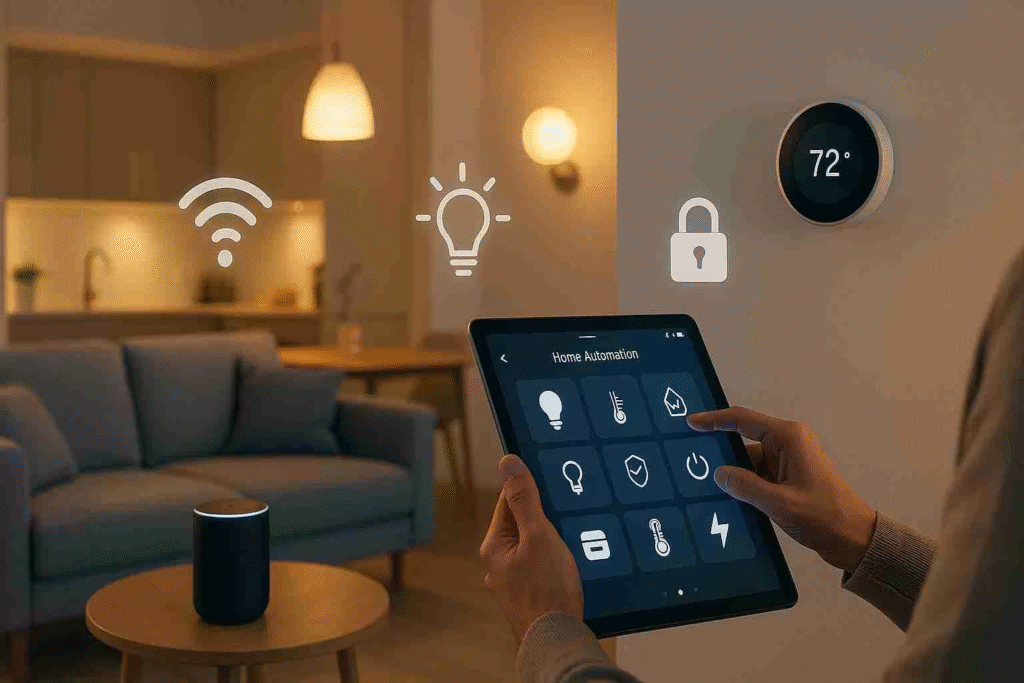
Smart home automation allows your home to respond automatically to your lifestyle.
Instead of manually controlling lights, fans, ACs, or appliances, your smart home:
- Turns lights or AC on when needed
- Switches devices off when rooms are empty
- Adjusts the room temperature based on time and presence
- Secures itself when you leave
With Wozart’s Matter-compatible touch switches and controllers, this intelligence works locally, reliably, and securely.
Professional Installation vs DIY Smart Home Setup: What’s Better?
Many people try DIY (Do It Yourself) solutions. They buy devices online and install them themselves.
DIY works for small setups like a smart bulb. But for full-home automation, professional support is better.
DIY Limitations:
- Device compatibility issues
- Weak network integration
- No long-term support
- Security risks
DIY Benefits:
- Lower initial cost
- Full control over setup and customization
- Easy to start with small upgrades
- Learn and experiment with smart technology
- Flexible upgrades anytime without waiting for installers
Professional Installation Benefits:
- Proper planning
- Clean wiring and hidden setup
- Secure configuration
- Lifetime technical support
- Scalable design
Professional Installation Limitations:
- Higher upfront investment
- Requires scheduling and installation time
- Less DIY flexibility once system architecture is finalized
- Changes or upgrades may need technician support
- Over-engineering risk if not planned based on real needs
A trusted home automation agency ensures that your home runs smoothly without technical stress.
Luxury automation is not just about installing devices. It is about creating a connected ecosystem that works with precision and stability.
Planning Your Smart Home: Get the Basics Right
A smart home should solve problems, not create new ones. Planning is what separates a smooth experience from a frustrating one.
- Define Your Goals Clearly
- Before buying any device, decide what matters most to you:
- Convenience & Comfort
- Automate daily routines like lighting, fans, and appliances.
- Energy Efficiency
- Reduce electricity bills through intelligent automation.
- Security & Safety
- Control access, monitor your home, and receive alerts remotely.
Recommendation:
Start with smart switches and lighting automation. They deliver the highest daily value and form the foundation for everything else.
Expert Tips to Make Your Smart Home Secure, Scalable & Future-Ready
To build a future-ready home, follow these expert insights:
- Choose secure networks with strong encryption.
- Always update device firmware.
- Use multi-layer security systems.
- Plan for future expansion.
- Keep professional maintenance support active.
A good home automation company focuses on long-term stability, not just installation.
In Bangalore and across India, many families now prefer customized solutions instead of standard packages. Smart homes should match your lifestyle. They should adapt to your routine. They should grow as your needs grow.
Your home should feel intelligent, not complicated.
Build a Strong Wi-Fi Foundation
Most smart home issues in India are actually Wi-Fi issues.
Recommended Setup (2026)
Wi-Fi 6 or Wi-Fi 6E
Mesh routers (not a single router)
Ethernet backhaul, where possible
Best Practices
Separate Wi-Fi network for smart devices
UPS backup for router and hub
Central placement of routers
A stable network ensures reliable automations, faster response times, and fewer headaches.
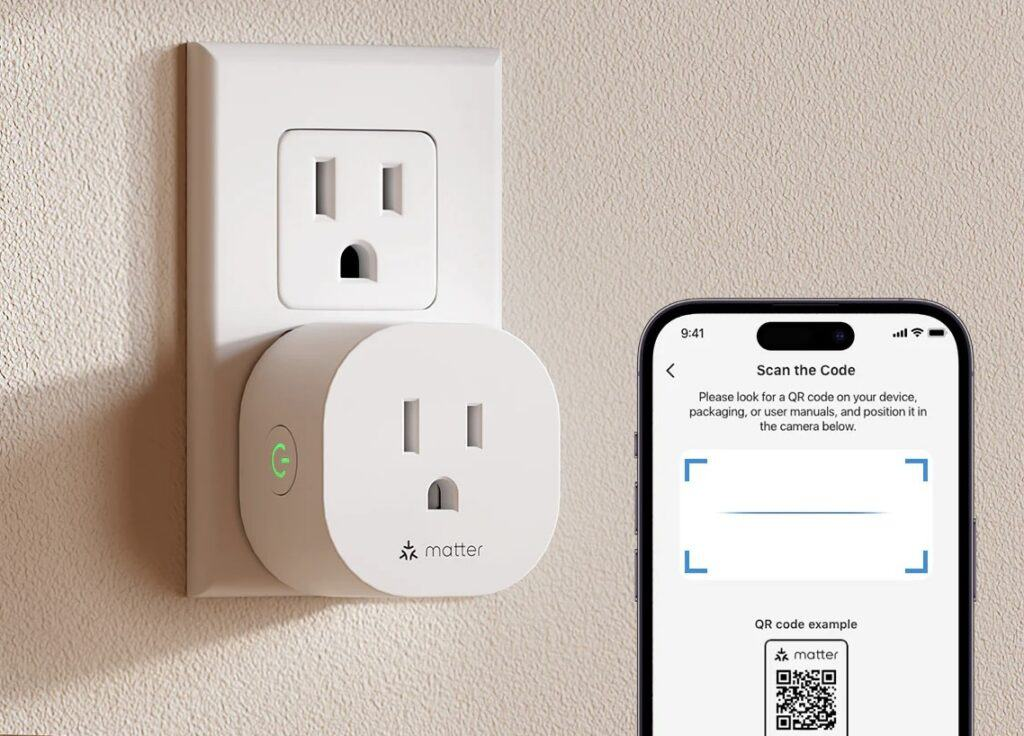
Use Smart Plugs for instant automation
Smart plugs turn regular appliances into intelligent ones. Smart plugs are underrated—and incredibly useful.
Best Use Cases
Geysers
Coffee machines
Floor lamps
Air purifiers
Practical Automations
Geyser turns off automatically after use
Fans switch off when rooms are empty
Appliances shut down when you leave home
This reduces wastage and improves safety.
Recommendation:
Choose 16A-rated smart plugs that support Matter or integrate natively with your ecosystem. This ensures safety with Indian appliances.
Smart Security for Indian Homes
Security should be local-first and reliable, not cloud-dependent. Smart security works best when it integrates seamlessly.
Smart Locks
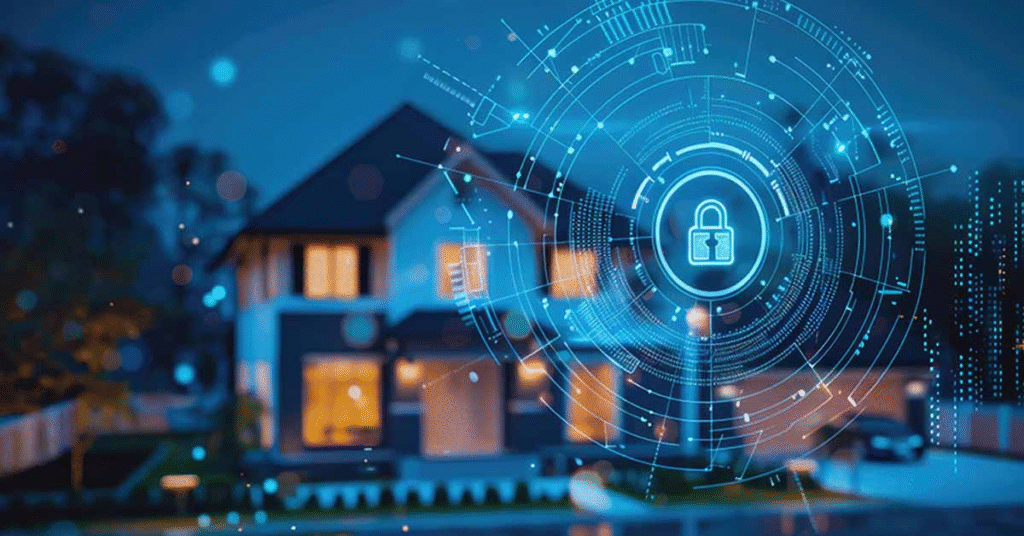
Fingerprint + PIN + app control
Ideal for apartments and villas
Smart Cameras
Look for:
Local recording
Encrypted cloud (optional)
App alerts and schedules
Recommendation:
Avoid no-name cameras that rely entirely on third-party cloud storage. Privacy and long-term support matter.
Smart locks integrate into home scenes
Lights respond to security events
Entry/exit automations enhance safety
Security becomes part of your lifestyle—not a separate system.
Common smart home mistakes to avoid
- Buying devices without checking compatibility
Purchasing devices from various ecosystems without verifying compatibility often leads to fragmented systems that don’t communicate well. Always check compatibility before purchasing new smart home devices.
- Ignoring network requirements
No matter how clever the device, it won’t work reliably on a bad wireless network. Good Wi-Fi coverage from the start will prevent connection issues and improve overall system performance.
- Overcomplicating automation
Advanced automation is wonderful, but if you build too many complex routines, it can cause confusion and maintenance headaches. Start with simple automations that solve everyday problems, and then scale as needed.
- Neglecting security and privacy settings
Smart homes are connected homes, and so cybersecurity is an important consideration. For added security, use strong passwords, turn on two-factor authentication if available, regularly review device permissions and protect your home network.
- Skipping firmware and software updates
Manufacturers regularly release updates to improve performance, fix bugs, and address security flaws. By updating devices, you’ll keep your smart home reliable, secure and able to use new features.
FAQ’S
1. What is a DIY smart home?
A DIY smart home lets you install and control smart devices yourself without professional help.
2. How can I start a DIY smart home?
Start with simple devices like smart bulbs, plugs, speakers, or security cameras.
3. Is a DIY smart home expensive?
No. You can start with affordable devices and expand your setup gradually.
4. Do smart home devices need Wi-Fi?
Many smart devices use Wi-Fi, while some use technologies like Bluetooth, Zigbee, or Thread.
5. Can beginners build a smart home?
Yes. Many smart devices are designed for easy installation and beginner-friendly setup.