
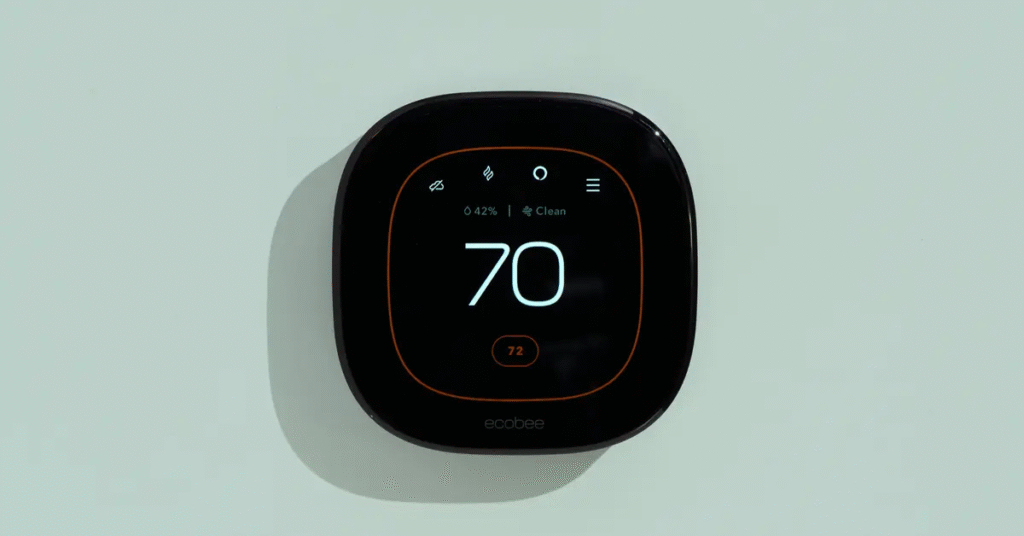
What if your home could think for you — adjust the lights automatically, secure your doors, save energy, and make daily chores a bit easier? That’s the promise of a smart home: a living space that feels alive, intuitive, and genuinely modern. If you’re curious about turning your home into a smart, future-ready haven, here’s a guide to the most helpful upgrades and how they can change everyday life for the better.
Why Make Your Home Smarter?
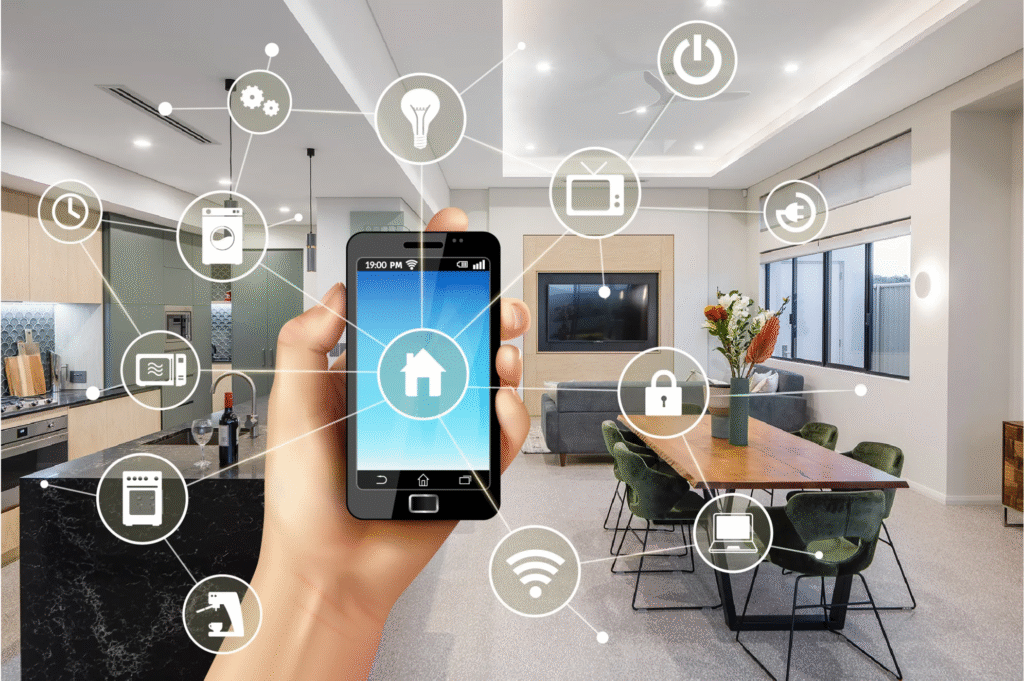
Upgrading your home isn’t about showing off gadgets — it’s about making life simpler, safer, more efficient, and more comfortable. Smart-home tools can help you:
- Lower energy bills and reduce waste. homeimprovementguru.com+1
- Enhance safety and peace of mind by keeping track of who comes in and out, or what’s happening around your doors and windows. World Wide Digest+1
- Automate routine tasks so you don’t have to think about mundane daily actions. hearthomemag.co.uk+1
- Make home life more convenient — whether it’s controlling lights with your voice or checking on your home while away. Medcom+1
Smart-home living isn’t just about high-end luxury — with a few sensible upgrades, even a regular home can become much smarter.
Smart Upgrades Worth Considering
Here are some of the most useful smart upgrades to consider — whether you’re starting from scratch or slowly building an automated home environment:
• Smart Lighting & Smart Plug
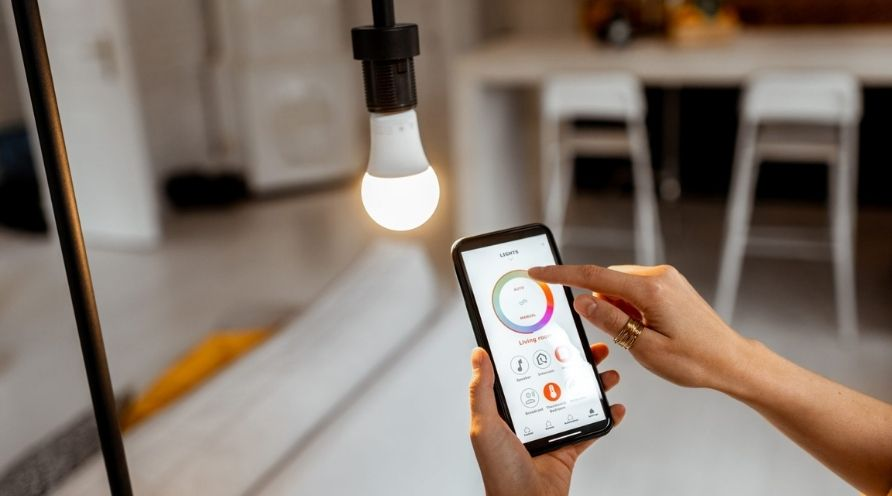
Switching to smart LED bulbs, dimmers, or plugs is one of the simplest ways to begin. They allow you to control lights from your phone or voice, set schedules, or even automate turning things off when no one’s home. This helps save energy and adds convenience. ClimateSort+1
If you want, a nice starter device is the HomeMate Wi‑Fi Multicolour Smart LED Strip Kit — easy to install, affordable, and good for experimenting with smart lighting.
• Smart Temperature Control / Thermostats
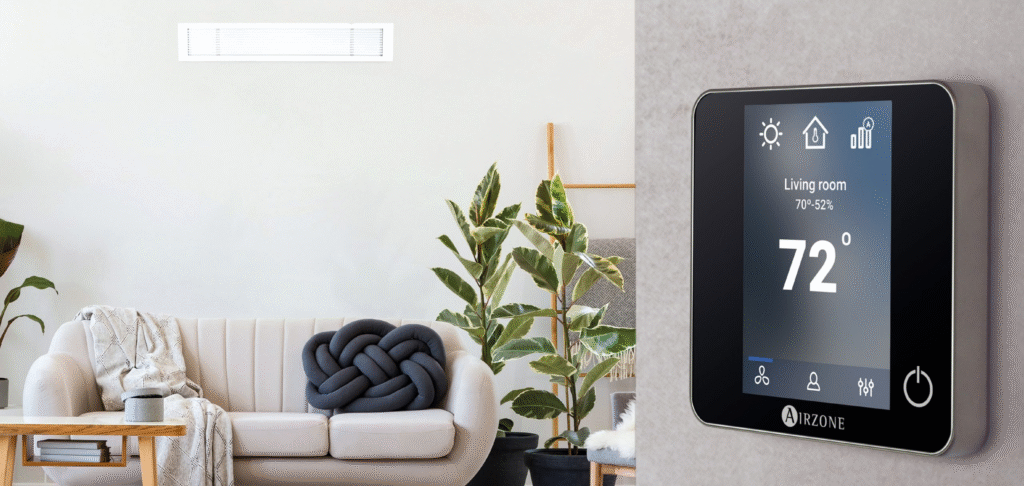
A good smart thermostat can automatically regulate heating or cooling based on your routine or when you enter/leave home. This means a more comfortable environment and often lower electricity or fuel bills. homeimprovementguru.com+1
For example, the Smart Thermostats Programmable Air Conditioner Controller is a budget-friendly option if you’re exploring smart climate control.
• Smart Security: Cameras, Doorbells & Locks
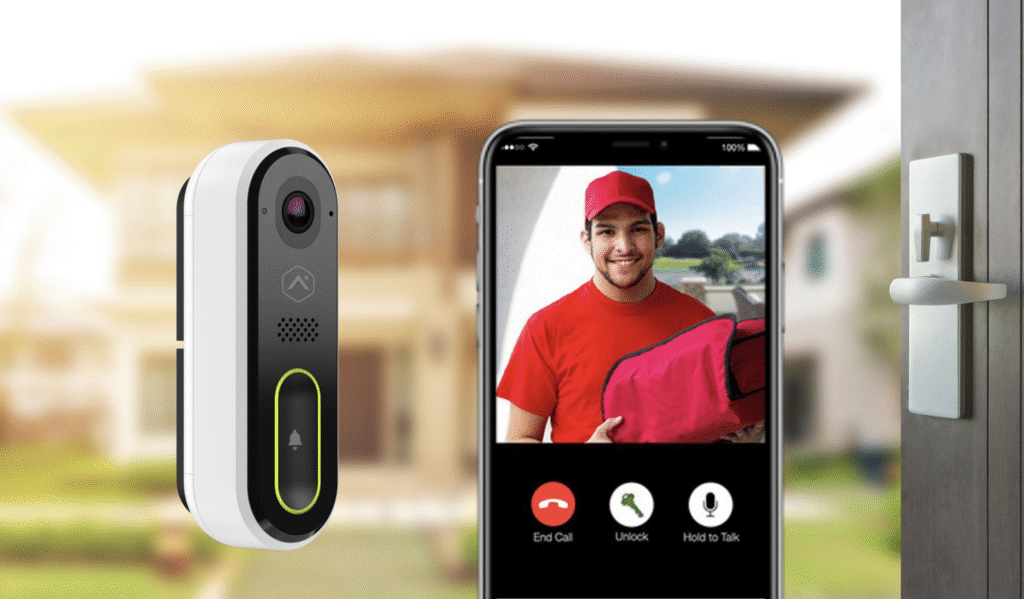
Upgrading your home security with smart locks, video doorbells, or security cameras dramatically boosts safety and peace of mind. You can get alerts, check live feeds, and even grant temporary access to guests — all from your smartphone. World Wide Digest+1
The Qubo Smart 360 CCTV Security Camera and Qubo Smart WiFi Wireless Video Doorbell are good starting points if you want to dip your toes into security upgrades without overspending.
• Smart Hubs and Voice-Controlled Assistants
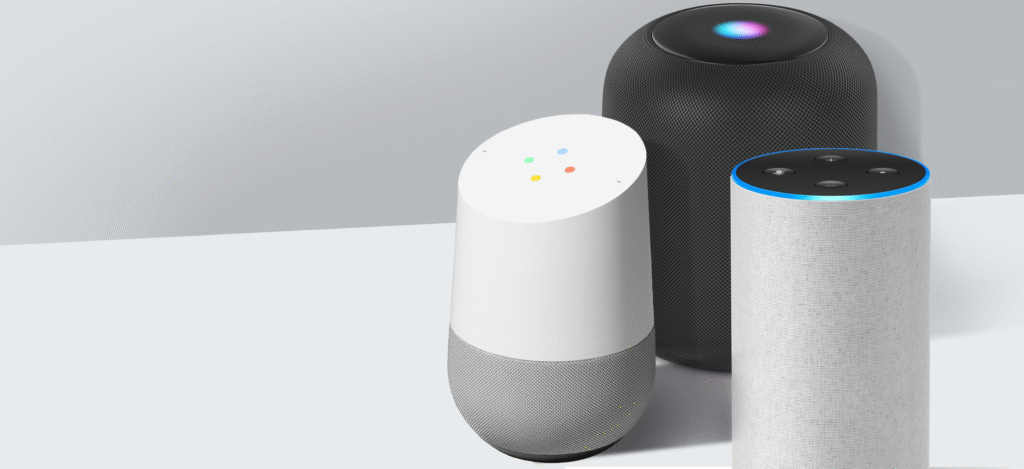
One of the biggest conveniences of a smart home is controlling many devices with a single command — like turning off all lights, locking doors, or setting mood lighting without moving from your seat. Voice assistants make automation intuitive and accessible even for non-tech users. Auslese-Automation+1
For that, a device like the Amazon Echo Dot 5th Gen Smart Speaker can be your entry into a connected home ecosystem.
• Incremental & Smart-Home-Ready Upgrades
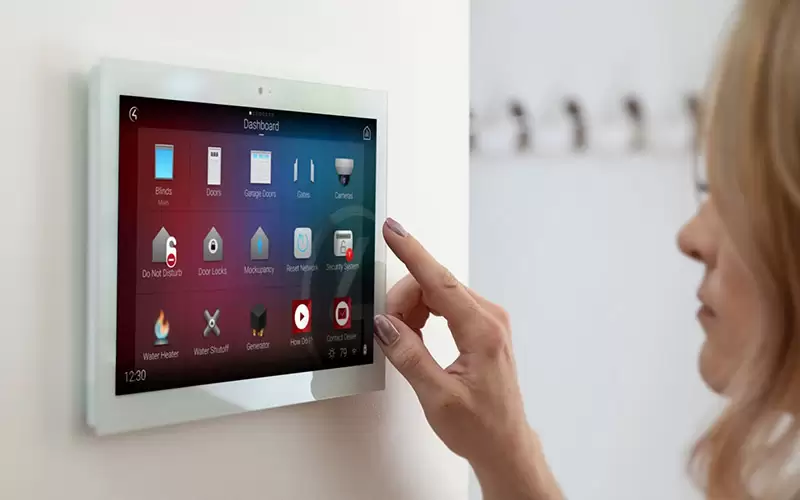
You don’t need to overhaul everything at once. Even small steps — installing smart plugs, replacing a few lights, or adding one smart device — can build a foundation. Over time, you can add more features: automated blinds, smart kitchen appliances, energy monitors, or connected sensors to track water leaks or energy usage. hearthomemag.co.uk+2atsmarthomesg.com+2
How to Start Smartly — A Step-by-Step Approach
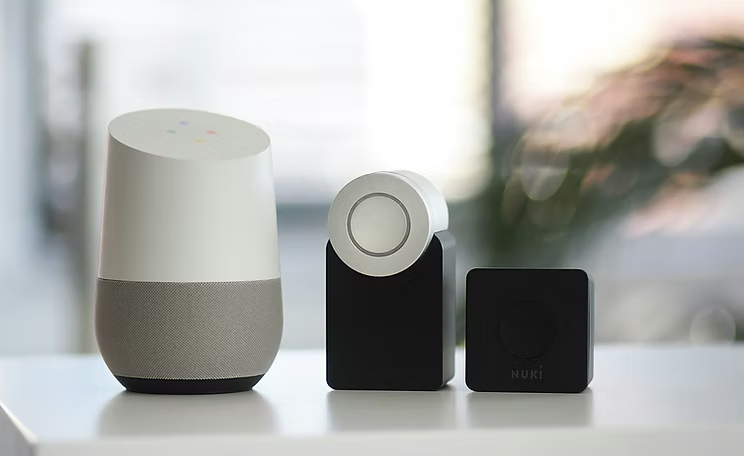
- Start small. Replace a light bulb or add a smart plug. See how it changes your daily routine.
- Choose devices that work together. Using systems compatible with major smart-home ecosystems (voice assistants, hubs) helps avoid confusion later.
- Think about your needs. Do you care more about comfort, energy savings, security, or convenience? Let that guide your purchases.
- Add gradually. There’s no need to upgrade everything at once — build your smart home one useful gadget at a time.
- Focus on value, not hype. Some devices look fancy but add little everyday value. Prioritize tools that make a real difference to your routine.
Final Thoughts
Smart home living isn’t about gadgets for the sake of gadgets. It’s about designing a living space that adapts to your lifestyle — one that saves energy, gives peace of mind, and simplifies day-to-day routines. Whether you begin with smart lighting or a security camera, each upgrade is a step toward a home that works for you.
This post is for informational purposes only. The ideas and suggestions shared are based on personal opinions and publicly available sources — not professional advice. Always check product specifications, compatibility, and local regulations before making home-automation upgrades.
#smarthome #homeautomation #smartliving #smarthometechnology #smarttech #homedecor #interiordesign #iot #homesecurity #smartdevices #Anslation #Carrerbook