
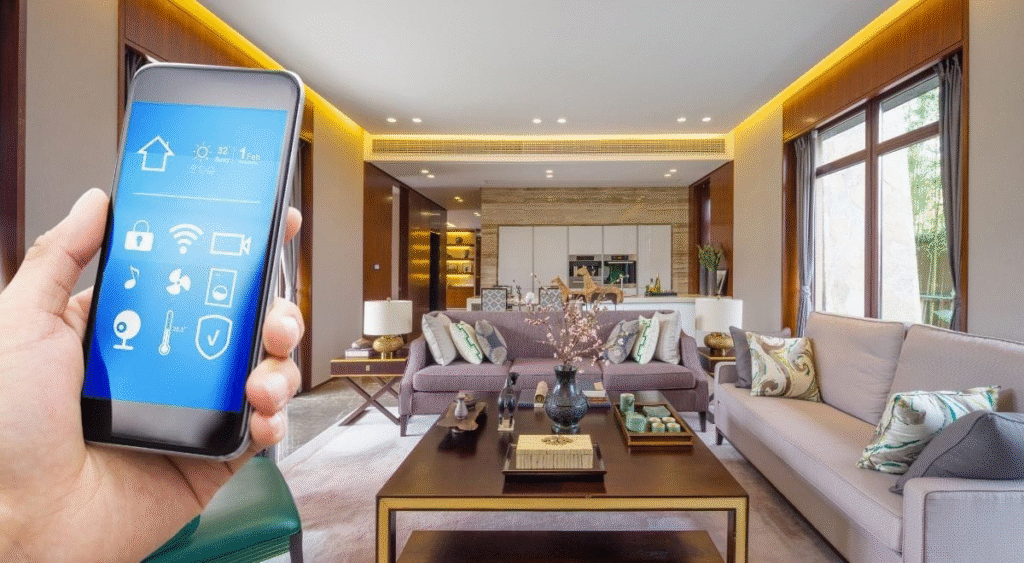
Today, our homes are full of devices and electronics. A modern home needs a modern solution: smart home control. When your technology is organized under one control system, you can effortlessly make adjustments. No more fumbling between multiple remotes; you can use your smartphone, tablet, or a universal remote. At the touch of a button, dim your lights, lower the shades, and turn on the audio to create the right mood for your dinner party.
On the more practical side, keep tabs on your security system from anywhere. You can even live stream video from your home security cameras! We have solutions for new Prairieville or Baton Rouge constructions and upgrading your current home.
A smart defense
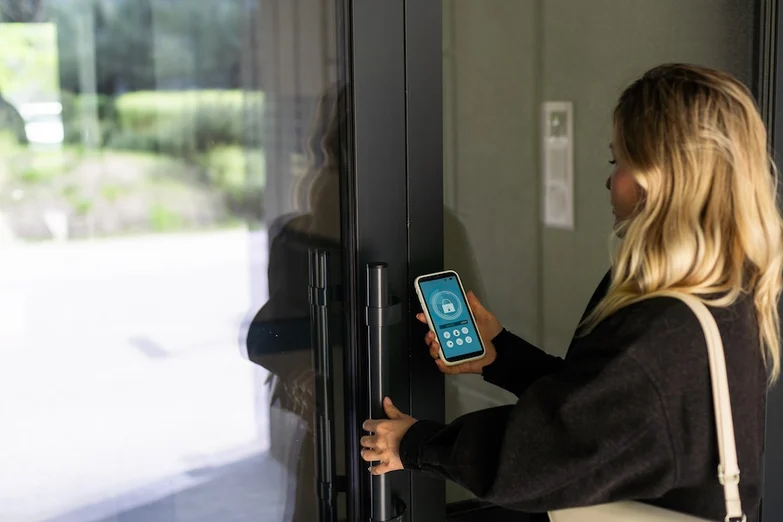
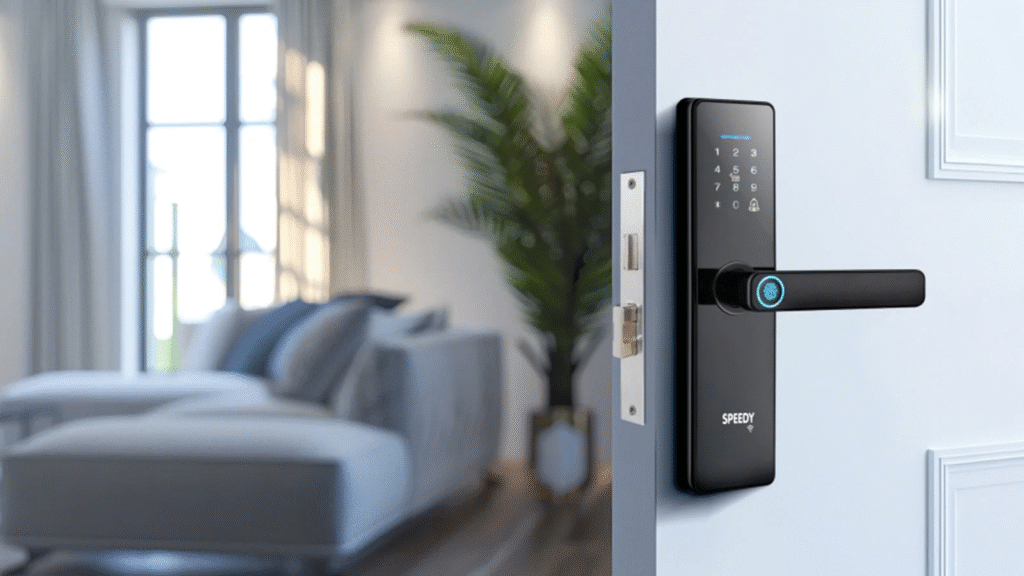
Smart locks are forming the front line for home security. Unlike regular locks, they eliminate the need for physical keys, allowing doors to lock and unlock through wireless connectivity. That connectivity brings innovation. For example, eufy’s E30 Smart Lock employs the Matter-over-Thread connectivity of Nordic’s nRF52840 SoC, enabling integration with multiple smart home ecosystems.
The E30 can be remotely locked and unlocked via the relevant smartphone app and/or smart home solution – for example, a smart speaker or voice assistant device. Users can also monitor and control the lock’s status when away from home while authorizing temporary unlock passwords for trusted visitors. Additionally, the E30 provides additional unlocking methods, including fingerprint recognition, password entry, and a traditional key.
Unifying smart home products through Matter
However, until now, mainstream adoption of smart lock tech has faced a challenge. Mass uptake has stalled due to a fragmented market. Consumers have found it difficult to configure and commission products and are frustrated at being locked into specific suppliers or proprietary technology.
But now, Matter—a unifying protocol for smart home technology from the Connectivity Standards Alliance (CSA)—enables devices from different brands and technologies to work seamlessly together. Matter is focused on addressing security concerns using strong encryption and authentication to ensure that data is only shared between trusted Matter devices[1]. By ensuring all connected devices meet these requirements, Matter helps eliminate potential points of weakness, creating a more secure home system.
Protection from the man-in-the middle attacks
Smart locks have previously shown vulnerability to certain types of malicious attack. One, the man-in-the-middle attack, has previously seen an intruder intercept the smart lock’s credentials while the user was operating the lock. Later, the intruder could use those credentials to gain entry.
Now, initiatives such as PSA Certified—implemented by a group of key IoT product suppliers—help ensure wireless solutions meet the highest security standards. The PSA Certified standard ensures smart locks powered by chips such as Nordic’s nRF5340—which is PSA Level 2 certified—are almost impossible to attack by methods such as man-in-the-middle.
A homebuyer looks for a secure and energy-efficient home
In general, people are willing to pay more for a smart system rather than a few loose devices. For example, instead of installing a smart video doorbell and a few motion sensors it’s much more beneficial for your convenience as well as the value of your real estate to invest in a fully equipped security system. That way you don’t leave your potential buyers confused.You may wonder, what smart applications are most important in the tough decision process of buying a home?
Turns out that home security takes first place by a landslide. Motion sensors, cameras, alarms, smart locks and doorbells… They all ensure a sense of safety and as a result seem to be worth investing in for many homeowners.
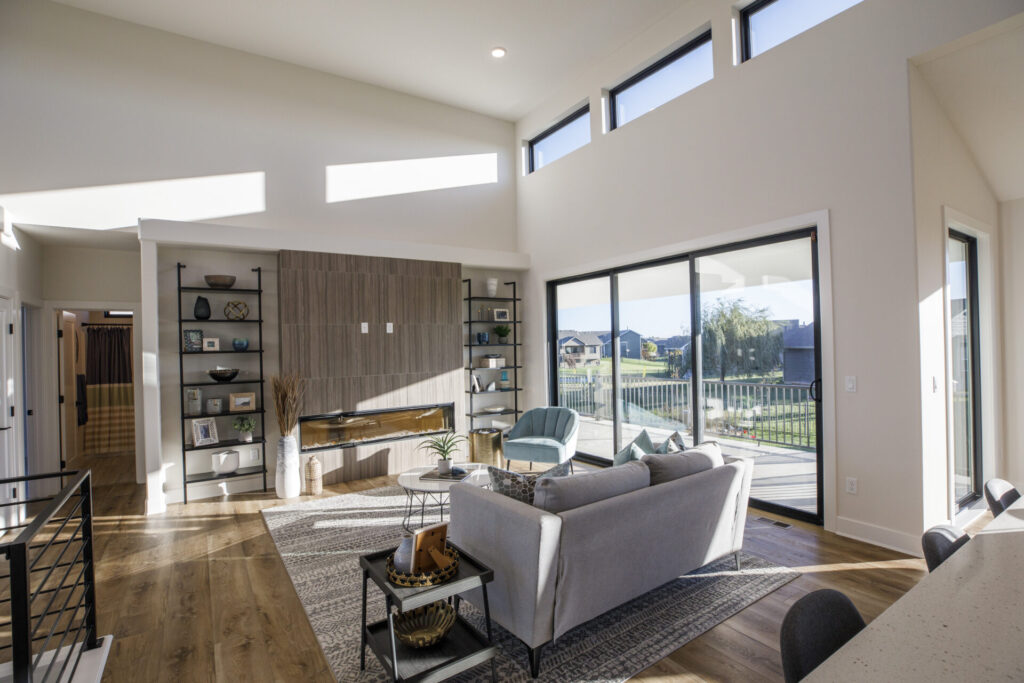
Next to home security, energy efficiency comes in close second. As life becomes more expensive, the first measure people adopt is cutting down on their energy usage and costs. Being able to manage your energy consumption in a smart way – meaning easy and remotely – has an incredible value. An extra investment in energy management application upon buying a new house today, will in the long run literally pay off.
Essential Smart Security Devices
- Smart doorbells: See and talk to visitors at your door from anywhere.
- Smart locks: Lock or unlock your doors using your phone or a code.
- Smart cameras: Watch live video feeds inside and outside your house.
- Smart sensors: Get alerts if a door opens or water leaks.
Components of a Smart Home
Heating
Smart home products now allow for greater control over heating devices, including turning products on and off and controlling settings. Smart products may be armed with temperature or humidity sensors to automatically turn on or off if certain criteria are met. This line of smart home innovations also extends to air conditioners.
Lighting
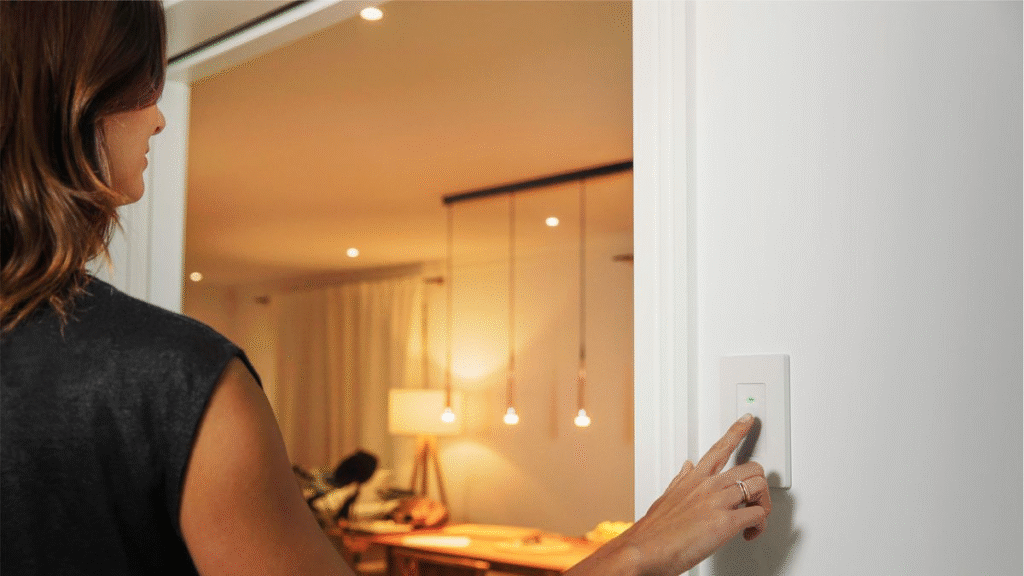
Lights can be switched on and off remotely, placed on a schedule, or set to change based on sunrise or sunset times.
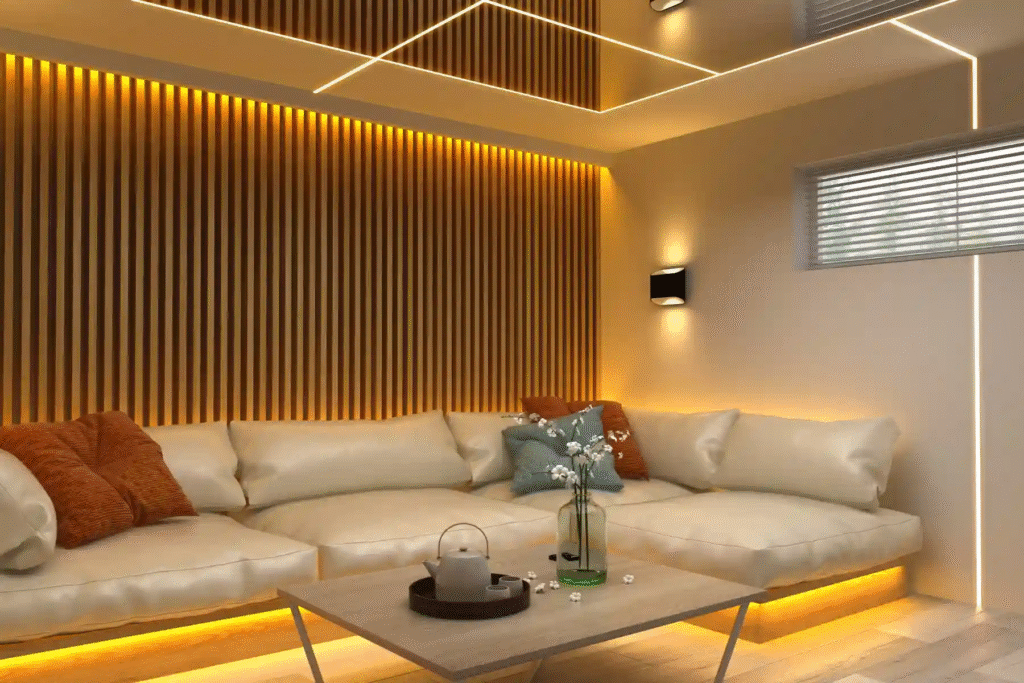
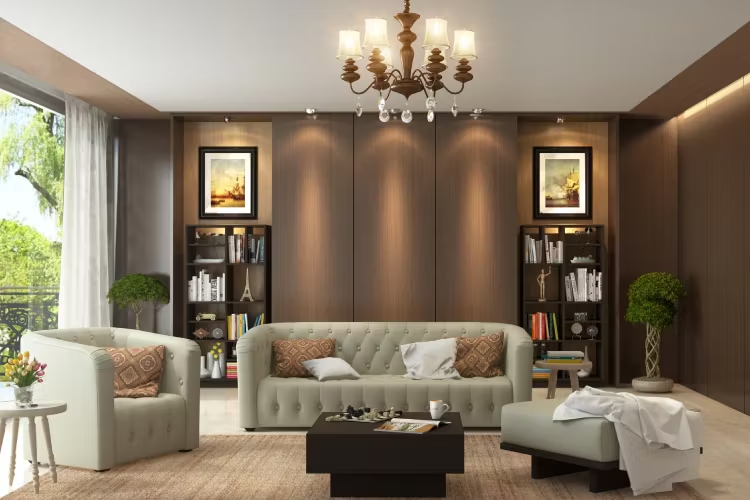
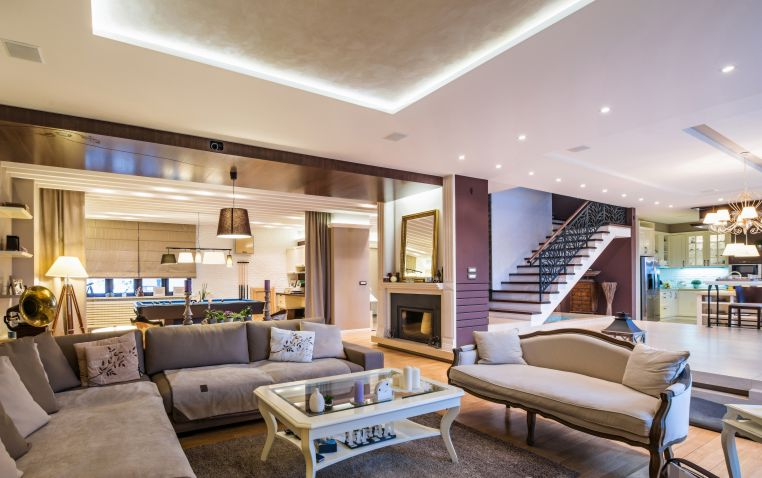
Like some more conventional products, lights can often be set to change based on motion. Smart bulbs can communicate over Wi-Fi and display usage statistics on your phone.
This lighting category includes smart home products that control the degree of light. Automatic blinds may be installed and set to close based on sunrise schedules. Electronic curtains allow users to manage window blinds using a handheld device.
Security
One of the most important aspects of a smart home is the enhanced security capabilities it offers. Products with cameras track motion, capture videos, or allow for live video feeds. These may be installed to sync with a ringing doorbell or set to capture certain areas of your property.
Products can be enabled with audio or video calls with people standing at your door.
Many smart homes are also refit with advanced security kits. These kits include motion sensor detectors, home monitoring, notifications and alerts concerning suspicious behavior, and the ability to lock doors or windows remotely.
Audio/Visual
One of the more appealing aspects of smart homes is the many entertainment products that can be connected to each other and controlled with a single remote. Television and speakers can be played on command using applications. They can be operated according to a schedule or by voice control.

Other
Smart home products also include digital assistants or home hubs. People interact with these products using their voice and by issuing commands. They can field questions, organize your calendar, schedule conference calls, or provide alerts.
Smart smoke and carbon monoxide detectors not only sound an alarm but can be synced to your phone to alert you should you be away from your property. These devices can often be set up to send emergency notifications to emergency responders.
People have been able to program automated irrigation systems for a while. Now, smart irrigation systems can detect climate and environmental conditions and factor them into watering schedules. Smart irrigation systems also monitor moisture-related conditions and control irrigation to conserve water.
Smart Speakers
Using the latest voice-recognition technology, smart speakers allow seniors to control their home using only their voice. There are no buttons to press or apps to open; they can simply talk to their smart speakers to ask questions, set reminders, play music, make phone calls, and more.
For example, a senior can ask, “Alexa, what’s the weather?” and the smart speaker will dictate the latest weather report out loud. Smart speakers are especially useful for seniors because they provide an easy way to schedule doctor’s appointments, set regular medication reminders, and call for help in emergencies.
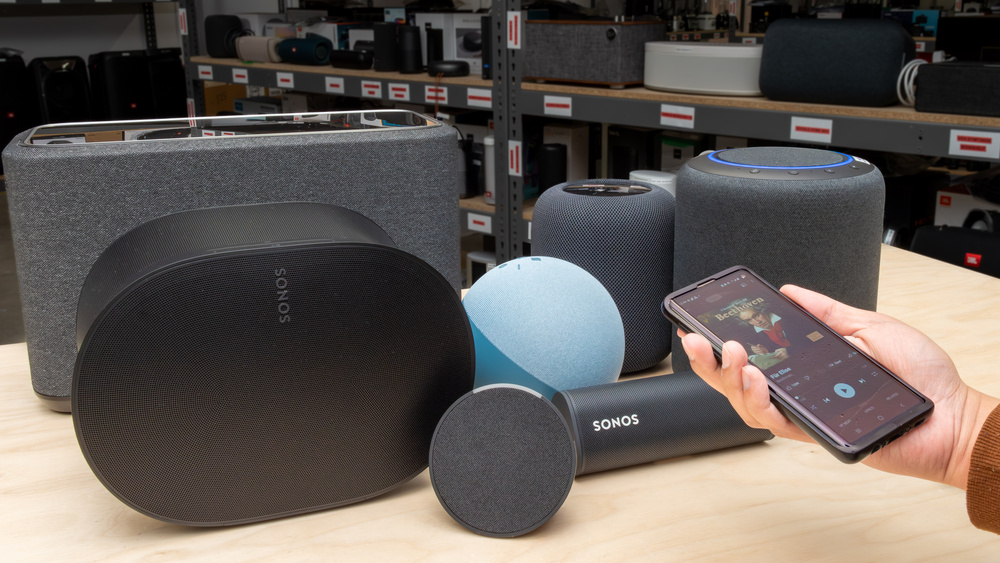
Smart speakers can also be used to control other smart devices around the home. For example, if you have a smart TV, just say, “Alexa, turn off the TV.” With multiple smart devices, you can also set up routines, so when you say “Alexa, good night,” all your smart devices turn off at once.
Safety and Monitoring Tools
- Smart smoke alarms: Receive phone alerts when smoke or carbon monoxide is detected.
- Connected lighting: Set timers to make your home look occupied while you are away.
- Smart plugs: Turn off hot appliances like irons or hair straighteners remotely.
Best Practices for Setup
- Use strong passwords: Secure your home Wi-Fi and every smart device with a unique password.
- Turn on two-factor authentication: Add an extra layer of login security to your accounts.
- Update your software: Install device updates regularly to fix security flaws.
- Separate networks: Put smart devices on a guest network to protect your main computers.
If you’d like, let me know:
- What devices you already own
- What your main goal is (security, saving energy, or convenience)
Smart Locks
For anyone who forgets to lock their door at night, a smart lock could provide the security they need. Depending on which model you get, smart locks allow you to open the front door using voice commands, a smartphone, a key code, an Apple Watch, or you can just keep using your existing keys.
Smart locks can tell you when the door has been left open for long periods of time. They also record every time the door opens and closes, with some models even showing you who is coming and going. You can also create digital keys for nurses, dog walkers, and any other visitors, giving them access to open the door during set time ranges.
For seniors who often lose things, a Bluetooth tracker can save them a lot of time. These little devices can be attached to keys, bags, wallets, remote controls, and almost anything else that’s prone to get lost. Then, you can use your smartphone or voice commands to make the tracker beep until you find it.
FAQ’S
1. What is a smart home?
A smart home uses connected devices that can be controlled automatically or remotely.
2. What are common smart home devices?
Smart lights, cameras, thermostats, locks, speakers, and appliances are common examples.
3. What are the benefits of a smart home?
Smart homes can improve convenience, security, energy efficiency, and automation.
4. Can I control a smart home remotely?
Yes, many smart devices can be controlled through smartphones or voice assistants.
5. Is a smart home expensive?
The cost depends on the number and type of smart devices you install.