
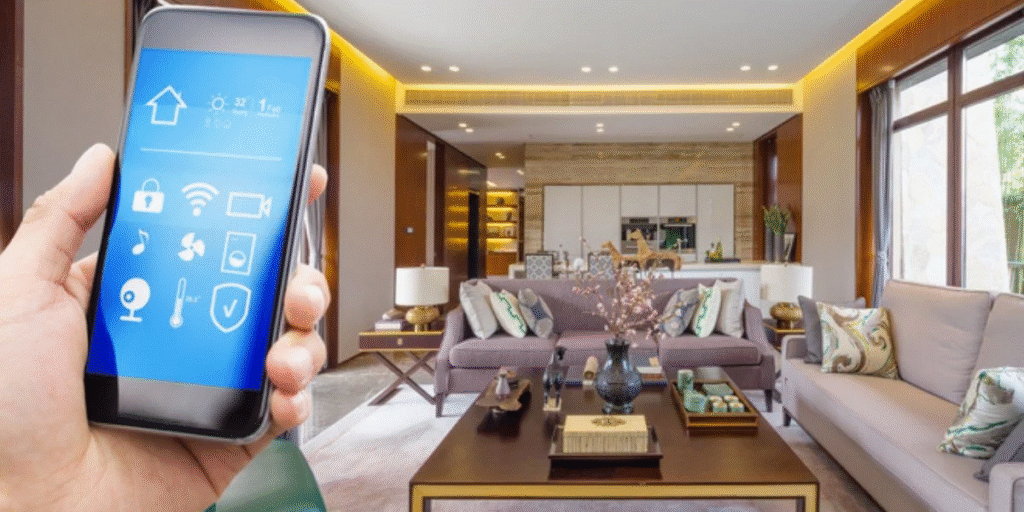
Smart home technology is no longer something you only see in futuristic movies. It has quietly become part of everyday life, helping people live more comfortably, efficiently, and securely. From lighting and temperature control to entertainment and safety, smart home devices are designed to simplify daily routines rather than complicate them.
At its core, a smart home is about convenience. It’s about coming home after a long day, starting dinner, and adjusting your space with minimal effort—whether you’re making pasta, heating soup, or enjoying a quiet cup of tea.
What Is Smart Home Technology?
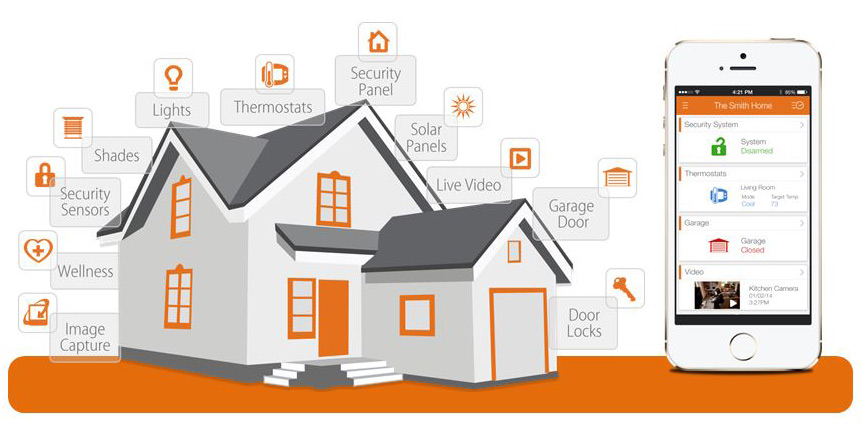
Smart home technology refers to devices and systems that connect to the internet and can be controlled remotely or automatically. These devices often work together through apps or voice assistants, allowing users to manage different parts of their home from one place.
Instead of manually switching everything on and off, smart homes respond to your habits. Lights dim in the evening, the thermostat adjusts during sleep hours, and security systems stay alert even when you’re away.
Smart Lighting for Everyday Comfort
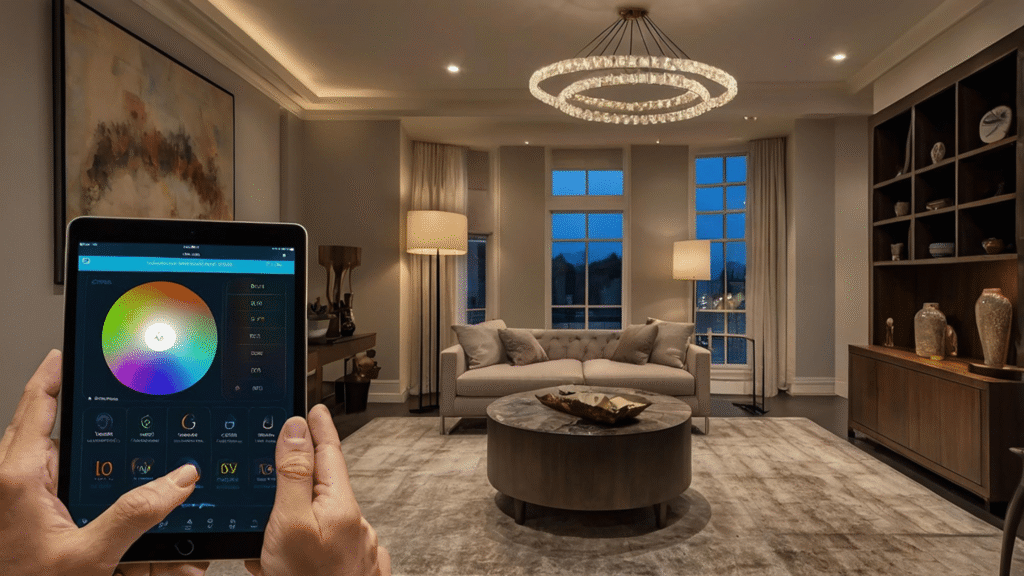
Smart lighting is often the first step into a smart home. These lights allow you to adjust brightness, color temperature, and timing. You can create warm lighting for dinner or brighter light while cooking dishes like rice, vegetables, or pancakes.
Smart bulbs also help save energy by turning off automatically when not in use. Over time, this adds convenience without changing how you live.
Smart Thermostats and Climate Control
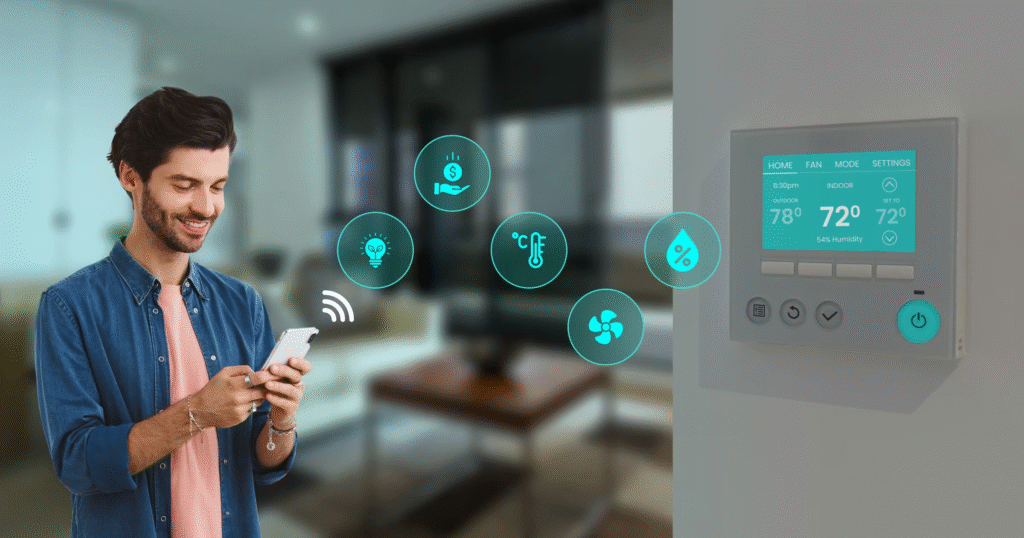
Smart thermostats learn your routine and help maintain a comfortable indoor temperature. Whether it’s a cold morning when you’re making oatmeal or a warm afternoon while preparing a sandwich, the system adjusts itself without constant input.
These devices help reduce energy waste and keep your home comfortable throughout the day and night.
Smart Kitchen Devices
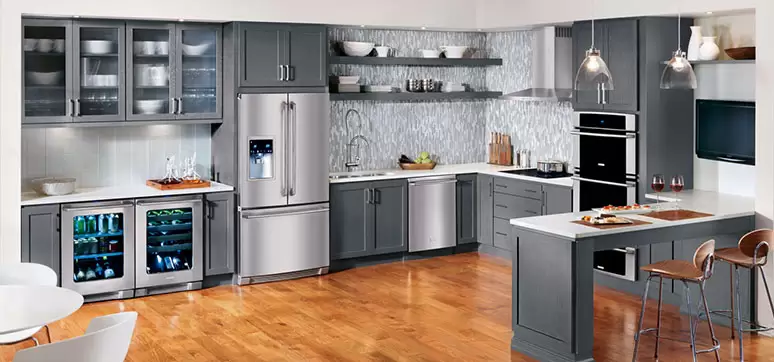
The kitchen is one of the most exciting places for smart technology. Smart plugs, smart ovens, and connected appliances help make cooking more efficient.
You can preheat an oven while chopping vegetables or use a smart speaker to set timers while baking bread or preparing curry. These small conveniences reduce stress and make cooking feel more relaxed and organized.
Smart Security and Safety
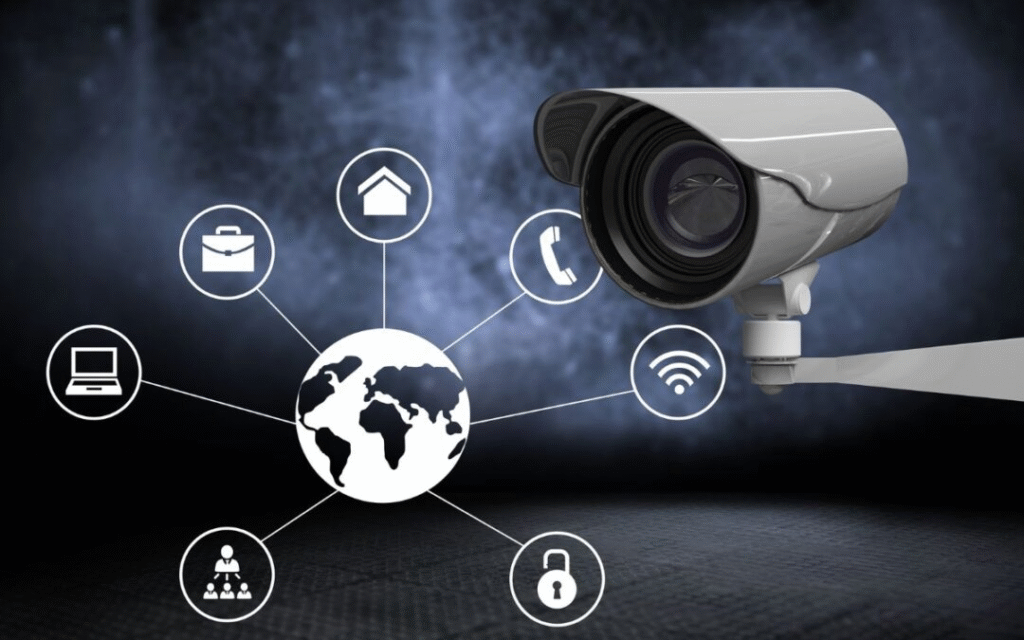
Home security has become smarter and more accessible. Smart doorbells, cameras, and motion sensors allow you to monitor your home in real time. You can check who’s at the door while washing dishes or receive alerts while grocery shopping.
These systems offer peace of mind, especially for families and people who travel often.
Smart Home Automation
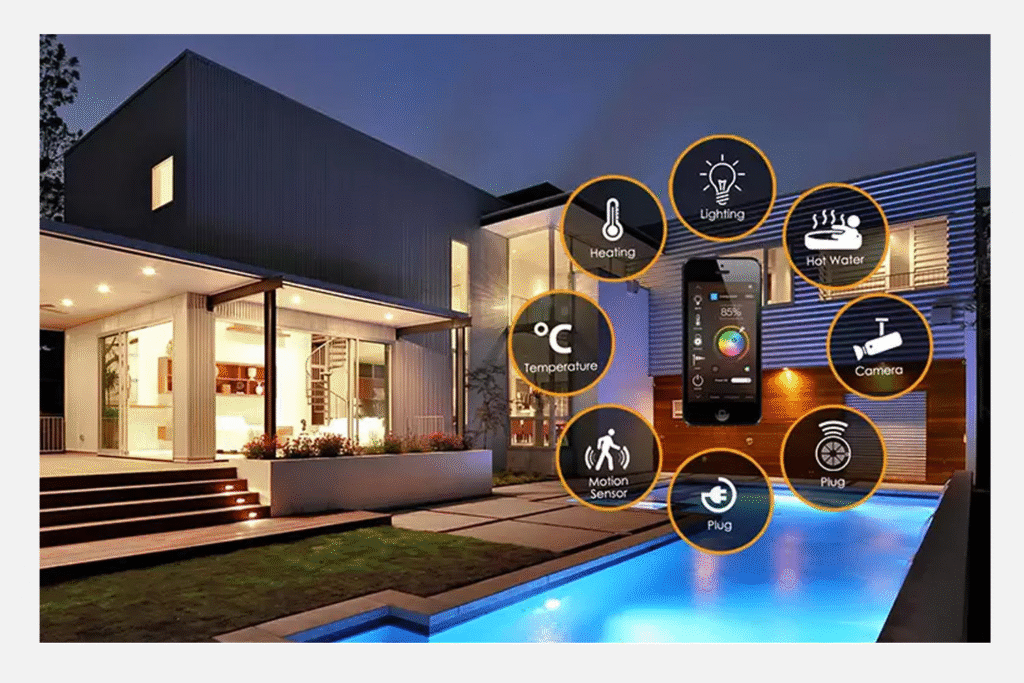
Automation is where smart homes truly shine. You can set routines that connect multiple devices together. For example, lights can dim, doors lock, and music play automatically at night.
These routines quietly support your daily habits, whether you’re winding down after dinner or starting the day with coffee and toast.
Final Thoughts
Smart home technology is not about replacing human effort; it’s about supporting it. The best smart homes feel natural, not complicated. They work quietly in the background, making daily tasks smoother and more enjoyable.
Just like a well-cooked meal, the value lies in balance. When technology fits into your lifestyle without overwhelming it, that’s when it truly becomes smart.
This blog is for informational purposes only. Smart home devices, features, and compatibility may vary based on brand, region, and individual needs. Always review product specifications, privacy policies, and installation requirements before making a purchase.
#SmartHome #HomeTechnology #SmartLiving #ConnectedHome #ModernLifestyle #TechAtHome #SmartDevices #Anslation #Carrerbook