

Smart homes aren’t just a futuristic concept anymore—they’re becoming part of everyday life. From automated lighting to voice-controlled appliances, 2026 promises more innovation, convenience, and energy efficiency than ever before. But if you’re new to smart home tech, it can feel overwhelming. Which devices do you need? How do you make everything work together? And how do you avoid paying too much for gadgets that don’t deliver?
This guide will walk you through everything you need to know to build a connected, efficient, and truly smart home in 2026.
1. Start with a Strong Foundation: Connectivity
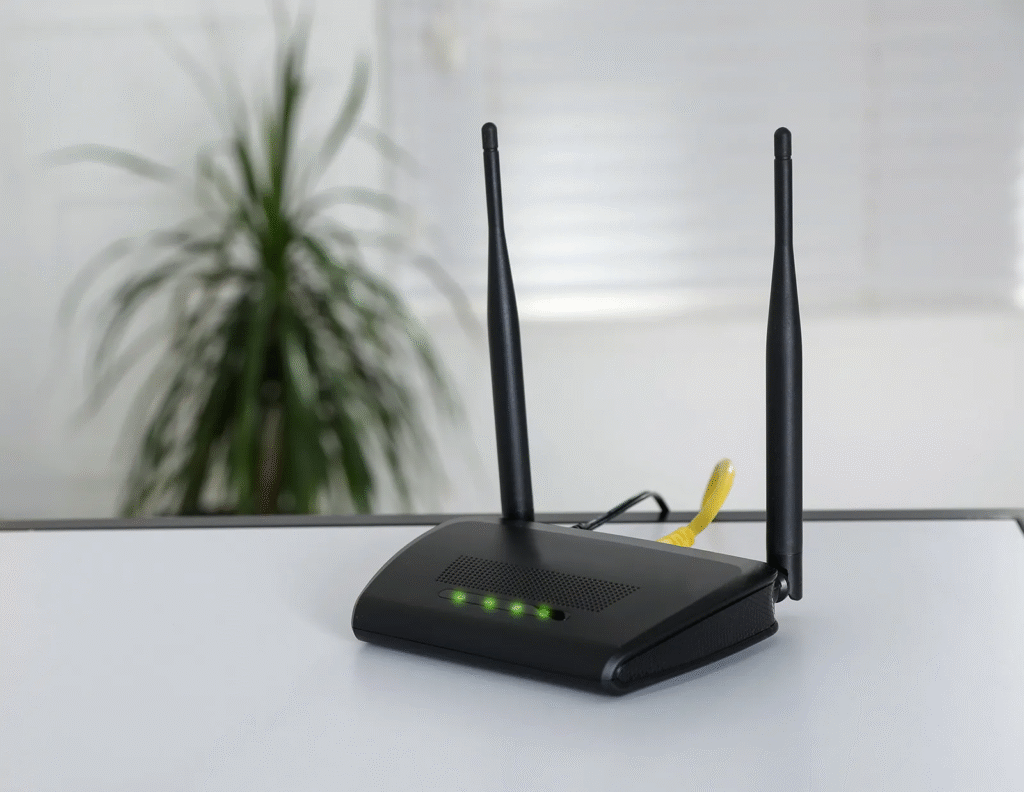
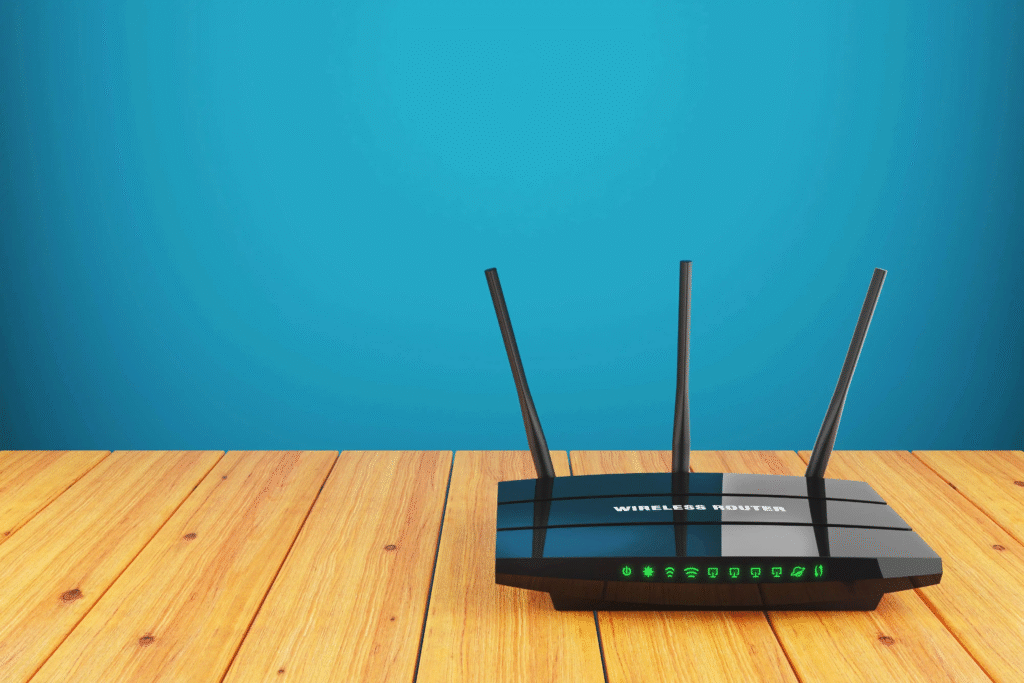
Your smart home is only as good as your internet connection. In 2026, high-speed Wi-Fi is a must. Consider:
- Wi-Fi 6 or 6E routers: Faster, more reliable connections for multiple devices.
- Mesh networks: Cover your entire home without dead zones.
- Ethernet backbones: For devices that need ultra-reliable performance, like smart TVs or security cameras.
A strong foundation ensures every smart device works seamlessly without frustration.
2. Smart Lighting: Convenience and Energy Savings
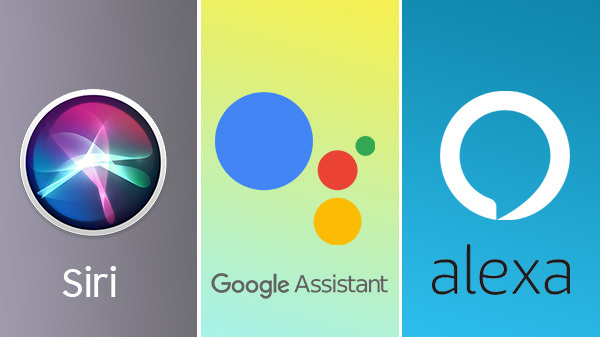
Smart lighting is one of the easiest ways to get started. Modern systems allow:
-Voice control via Alexa, Google Assistant, or Siri
-Scheduling and automation based on your routines
-Color-changing and dimming to create ambiance
-Energy monitoring to save on electricity bills
Brands are now offering more affordable, interoperable options, so you don’t need to stick to one ecosystem.
3. Voice Assistants: Your Smart Home Hub
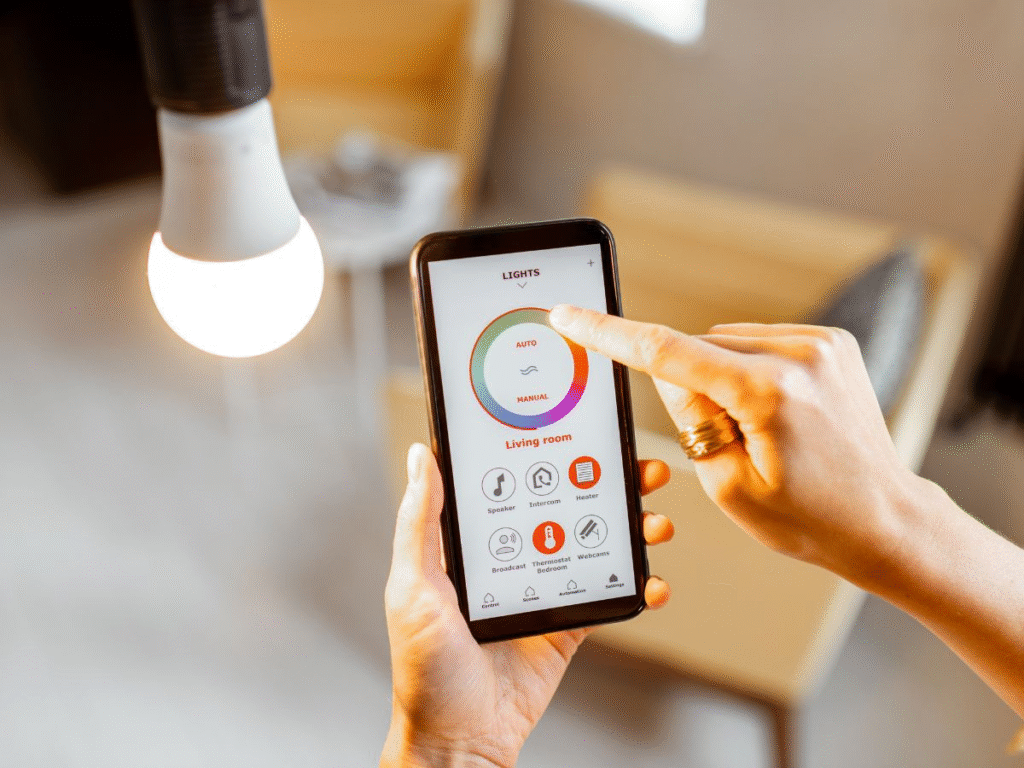
Voice assistants are no longer just novelty gadgets. In 2026, they act as the central hub for your entire smart home. They can:
- Control lights, thermostats, and appliances
- Provide weather updates, news, and reminders
- Integrate with security cameras and door locks
- Run routines that combine multiple devices with a single command
Choosing a voice assistant that integrates with multiple brands will future-proof your setup.
4. Smart Thermostats: Comfort Meets Efficiency
Smart thermostats do more than control temperature—they learn your habits and save energy automatically. Key features include:
- Adaptive learning based on your schedule
- Remote control via smartphone apps
- Integration with weather forecasts to optimize heating/cooling
- Energy usage reports to track
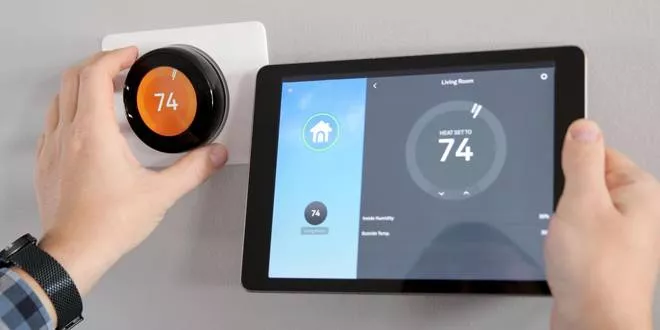
They’re one of the easiest devices to install and see a return on investment quickly.
5. Home Security: Smarter and Safer Than Ever
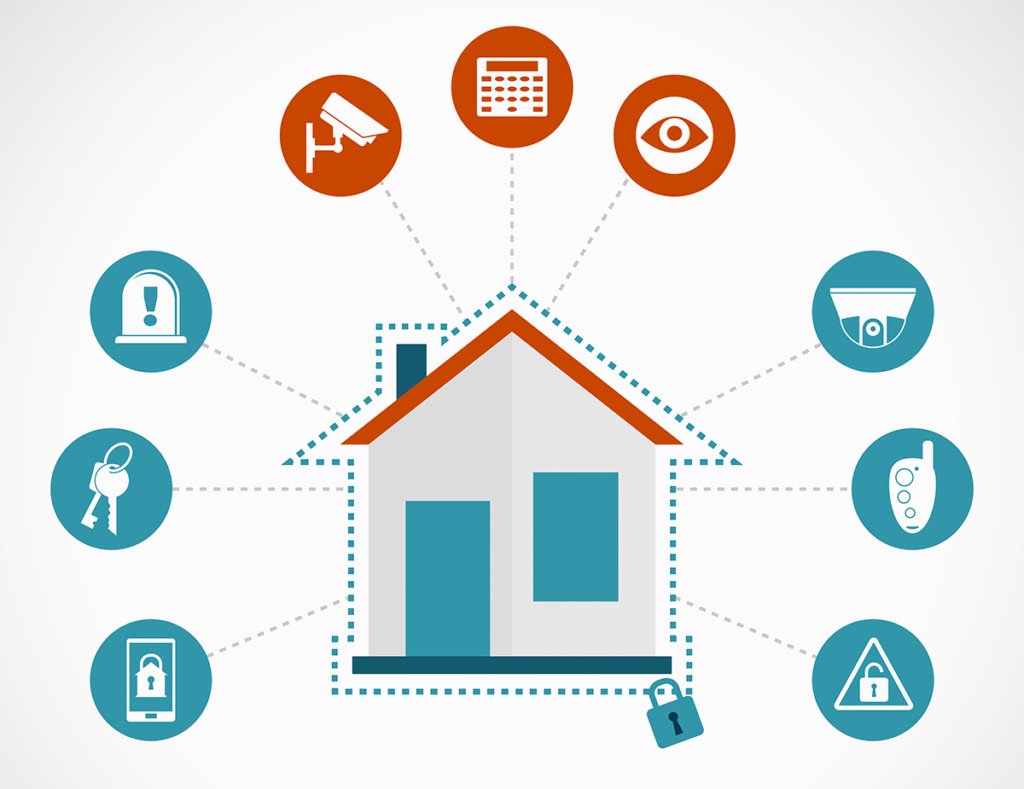
2026 smart home security isn’t just about cameras—it’s about a fully integrated system:
- Doorbell cameras with two-way communication
- Smart locks that can be controlled remotely
- Motion sensors that trigger alerts or lights
- AI-assisted monitoring to reduce false alarms
These systems give you peace of mind whether you’re home or away.
6. Smart Appliances: Making Everyday Tasks Easier
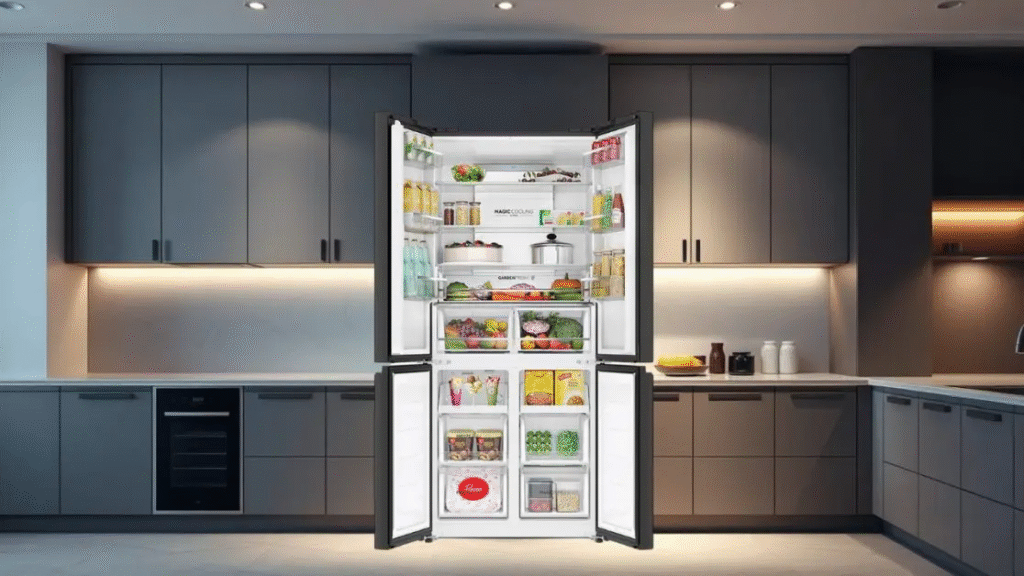
From refrigerators to washing machines, appliances are getting smarter:
- Refrigerators that track groceries and suggest recipes
- Ovens you can preheat from your phone
- Robotic vacuum cleaners that map your home for efficiency
- Washing machines that adjust cycles for load and fabric
Smart appliances save time, reduce waste, and even lower energy bills.
Final Thoughts: Building Your 2026 Smart Home
Creating a smart home in 2026 doesn’t have to be complicated or expensive. Start small with devices that offer immediate convenience, like smart lighting or thermostats, then expand gradually. Focus on compatibility, usability, and real-world benefits—don’t just buy gadgets because they’re trendy.
This blog is based on general trends and product information available at the time of writing. Features, pricing, and availability may change. Always verify details with official sources before purchasing smart home devices.
#SmartHome #HomeAutomation #SmartLiving #TechForHome #ConnectedHome #SmartDevices #HomeTech #FutureHome #IoT #SmartHome2026 #Anslation #Carrerbook